

Breathe Sis...
Our Liberation is Here

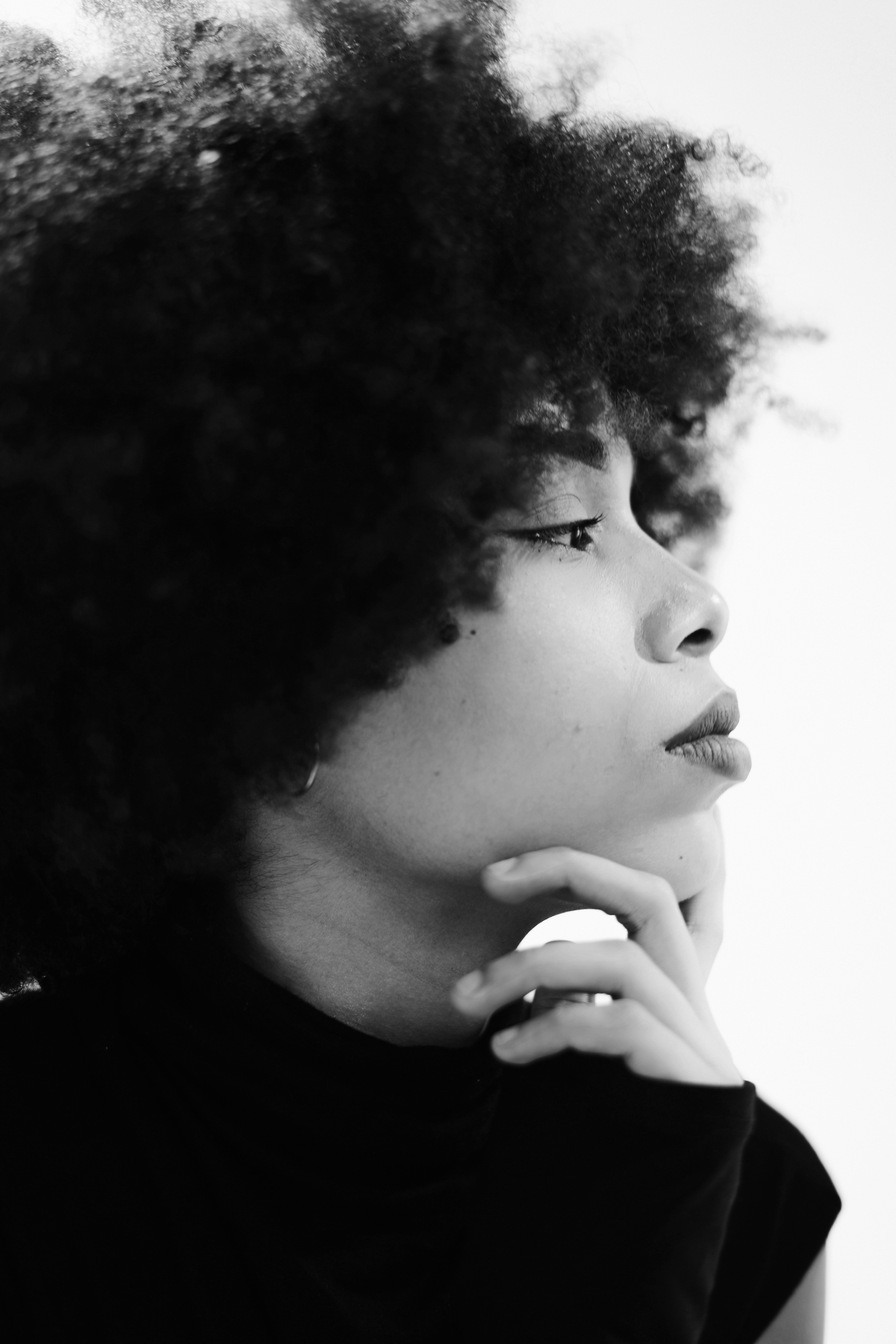
Frantz Fanon, the French West Indian psychiatrist and political philosopher, in Toward the African Revolution, published in 1964, wrote, “We revolt simply because… We can no longer breathe.” In the face of surviving all forms of injustice, Black people have found themselves quietly confessing or pleading out loud, “I can’t breathe,” and too often our truth is met with a cruel disregard and disdain for our Black lives. Leaving us only one viable option: to rebel.
Lucille Clifton wrote, “Come celebrate with me that every day something has tried to kill me and has failed.” The ritual of Black breathing is an act of rebellion worth celebrating because it embodies a struggle against the people and systems that attempt to destroy us. I know the struggle for Black liberation must focus on radical action, and increasingly, I am realizing that rest is the foundation of all our revolutionary actions. I understand that it may appear too gentle or straightforward, but the cumulative impact of taking the time to slow down and listen to your body serves as a strong form of resistance against extractive economic systems. I have found that breathing exercises can help me achieve deeper rest.
Many of us in our daily lives breathe shallow breaths, surely preventing our premature death, but not restoring the body in the ways this embodiment practice can. Our breath invites us to slow down and return to our bodies, the place where life happens. The idea that our breath can help us remember is, according to Hillary L. McBride, a powerful way to connect with ourselves and find freedom and healing. She believes it “gives us agency, comfort and connection, the experience and expression of desire and attuned self-care, and it helps us experience our bodies as subjects and not objects.” Understanding our bodies as subjects rather than objects as Black people is revolutionary in itself. Practicing this embodied process begins by listening to your body and what it feels and needs.
In a capitalist society, the importance of embodiment is overlooked, while sleep deprivation is expected. Full of cultural cues, the dominant culture insists that sleep is for losers or the lazy; Western culture does not hide the pressure we all face. And while rest encompasses much more than sleep, this cultural indicator is just one sign of our social circumstance. And in that circumstance, no one needs rest more than Black women. In a world that has used our bodies for their pleasure, procreation, labour and comfort, these expectations may have shape-shifted, but maintain their central feature. That feature is that we are here to solely serve and fulfill the desires of others, namely white people. And all the stereotypes reserved for us make this feature digestible. We are too strong, too fierce, too angry, too Black, too loud, too in your face. The truth is, we are too tired. And our exhaustion is the consequence of a world that continues to use us as commodities rather than acknowledging that we are people.
Embodiment, a rejection of our bodies as commodities, centres our humanity and is a form of self-love, of which rest has a starring role.
Tricia Hersey, in her book Rest is Resistance, wrote, “Rest is a meticulous love practice. It is a correction to our bodies from the violence of living in a capitalist, white supremacist system. It is a radical love for yourself and others in a place that views your body as simply a tool for it to use and own. I believe we don’t belong in these systems…Rest makes invention and imagination accessible. Rest gives us the ability to test our freedom. Our souls are calling to see us differently. To move differently. To feel differently. To rest. Rest as a subversive act. The deepest act of resistance.”
Black women frequently lead the charge for Black liberation. While our contributions to these places are vital, it is equally pressing that we create places of solace and rest in the midst of the struggle. How is that done? I believe the answer begins with our breath. Oprah Winfrey said, “Breathe. Let go. Remind yourself that this very moment is the only one you know you have for sure.”
In Oprah’s words, I hear my mother’s voice insisting I stop and hear the message that right now is all we’ve got for sure. And so we must ask ourselves, what will we do with this precious moment? Will we tend to our needs, understanding that embodiment is our first necessary line of defence? Too often, Black women put off our own care because the list of needs is constantly mounting in our homes, in our workplaces and in our communities, leaving our bodies unsettled and distressed. We must accept that caring for our bodies is a necessary recognition of our needs and personhood, and must be made central in any revolutionary movement.
Resmaa Menakem in My Grandmother’s Hands wrote, “A calm, settled body is the foundation for health, for healing, for helping others, and for changing the world.” The somatic or body practice of breathing is an immediate way to settle your body by regulating the vagus nerve, the largest organ in our body’s autonomic nervous system, which controls all of our body’s basic functions, with the largest part of the nerve going through our gut. This explains why we sense so many things in our belly or why we sense our intuition in this part of our body. Settled bodies don’t occur automatically; they result from mindful and embodied self-care. This is not about reducing stress, but managing it well.
It is only from a settled body that we can reject the internalization of whiteness and equip ourselves to challenge dominant culture in an organized and sustained way. And when you have regard for your own body, it is easier to regard other bodies. Resmaa Menakem writes, “Regard is the foundation of all cooperation, all growth, and all positive social change.” This is important because change cannot manifest without collectivities that contain the power of the people. Embodiment practiced with others can create movements that fight for but also rest, protect and support Black lives.
Our breath is ours to control, and rest is our right. Breathe deeply, Sis…
Try this simple breathing exercise from “Black Liturgies: Prayers, Poems, and Meditation for Staying Human.” Inhale deeply, filling both your belly and lungs as much as possible. When you exhale, breathe out completely by pulling your belly button toward your spine. After completing this, sit still and pay attention to what is happening in your body. Enjoy returning to your body!
INHALE: I deserve more than exhaustion
EXHALE: I return home to myself
INHALE: May I rest,
EXHALE: that I might deam.
INHALE: I’ve given enough.
EXHALE: I choose rest.

This is so incredibly powerful - thank you for releasing it into the universe!